 JOPARE MEDIA
 A JOPARE Media channel
The Intelligence Report
Israel–Iran war: how could the conflict spread?
Direct attacks raise a wider question about US involvement, regional security and the costs of another Middle East war.
A confrontation with wider stakes
The growing Israel–Iran confrontation in 2025 raises fears that the fighting could draw in more countries. The danger lies in how each new attack changes the choices facing governments across the region.
Israel’s security strategy, Iran’s response and the role of the United States all shape that risk. The Intelligence Report examines whether the conflict can stay contained as military action intensifies.
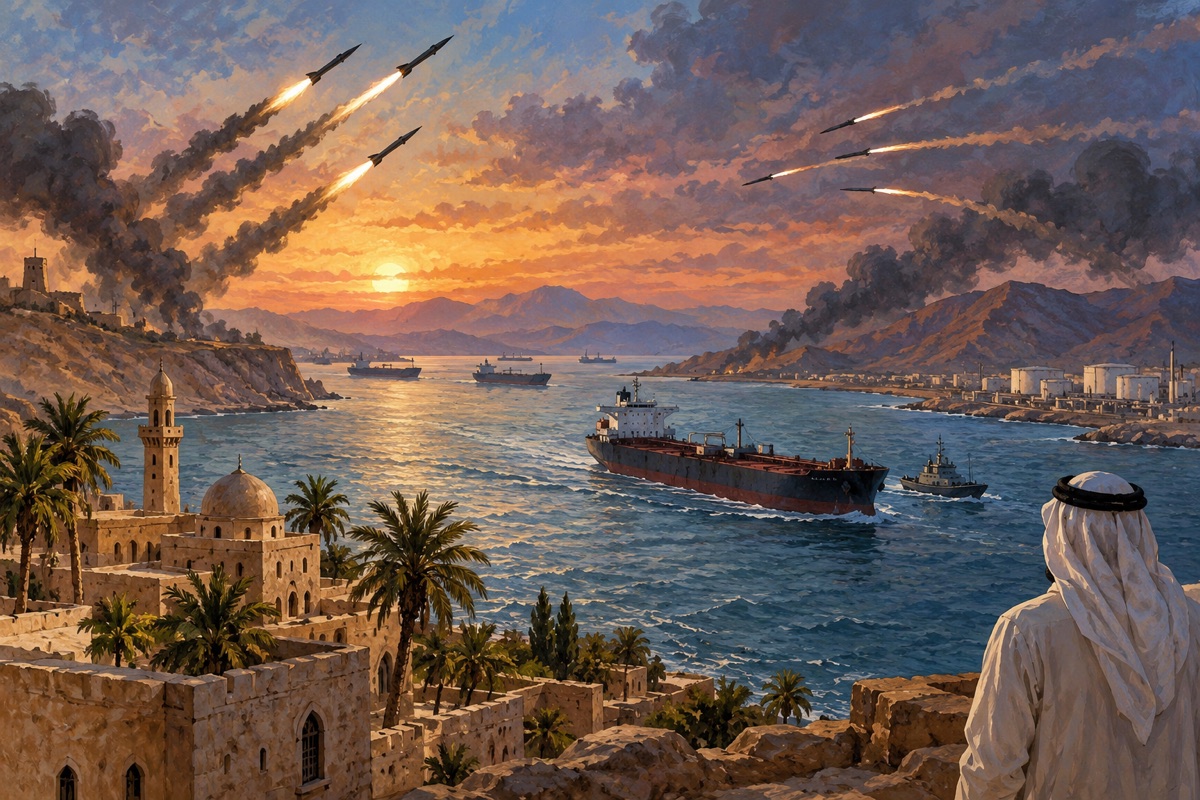
How escalation builds
On 13 June 2025, AP reported Israeli attacks on Iran and waves of Iranian missiles. The direct exchange brought an already dangerous rivalry into a new phase.
Escalation means a conflict growing in scale or drawing in additional participants. It can happen when a government expands its targets, an ally joins the fighting or retaliation reaches forces based in another country. Each step creates fresh pressure for the next response.
The report looks at the strategic interests behind those decisions. Israel presents threats from Iran as a central security concern. Iran faces choices about retaliation, protecting its military position and showing that attacks carry a cost.
Washington’s decisions matter
The United States has a major role in the region’s security relationships. Its decisions about military support and diplomacy influence how other governments judge the risks ahead.
The question is not simply whether Washington wants a wider war. It is also whether the choices made by different parties narrow the routes away from one. A government may describe an action as limited while its opponent sees it as a reason to expand the confrontation.
That is why communication and diplomatic pressure matter alongside military capability. They can create a way to stop an exchange before it becomes an open-ended conflict.
The economic route beyond the battlefield
A wider war could affect energy supplies, shipping and business confidence. Companies buying fuel or transporting goods have to plan around risks they cannot control. Higher costs can then reach households through transport and prices.
For African countries, the practical stakes include the cost of imports and the stability of trade relationships. A distant conflict can become a domestic economic pressure without a country being directly involved in the fighting.
Dr. Joseph Opare connects those risks with the historical rivalry and the changing regional balance. At this stage of the confrontation, the direction remains uncertain. Watch the report for the decisions that could keep the war contained—or pull more countries into it.