 JOPARE MEDIA
 A JOPARE Media channel
Warrior House
Israelite Heritage in Ghana: A Personal Journey of Faith and History
Dr Joseph Opare explores Israelite heritage in Ghana through his family history, Joshua 15:50 and parallels between Ghanaian traditions and Biblical customs.
What would you do if your grandfather’s surname appeared in the Bible? Could familiar customs take on new meaning when you read them alongside scripture?
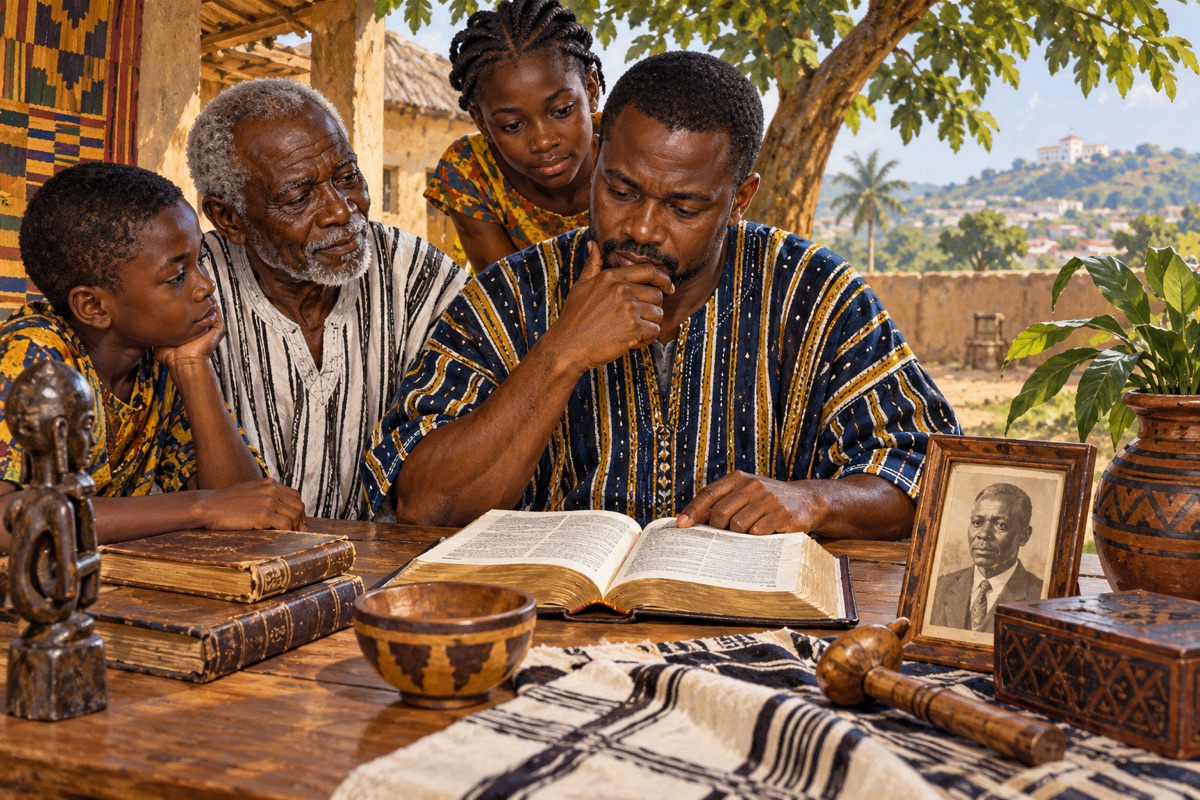
Dr Joseph Opare’s search begins with his maternal grandfather, Robert Henry Anim. In this personal account, he explores the questions that discovery raised about heritage, family traditions and Biblical identity.
A family name and Joshua 15:50
Joshua 15:50 lists Anab, Eshtemoh and Anim among the places named in the chapter. Dr Opare’s maternal grandfather was Robert Henry Anim. Recognising the surname Anim in this verse became a turning point in his exploration of family history and Israelite heritage.
Finding the name in the Bible gave him a starting point. He began to look again at familiar customs. Where had they come from? What did they mean to his community? Could they connect with the Bible passages he was reading?
Three customs explored in the episode
The presentation focuses on male circumcision, levirate marriage and purity rites surrounding menstruation. These subjects may seem separate at first. In Dr Opare’s discussion, they come together through the themes of covenant, family continuity and religious life.
Circumcision and covenant
The episode explores male circumcision as a sign of a covenant. In Biblical language, a covenant is a binding relationship or promise. Dr Opare asks what this promise means and how the custom connects with identity.
For viewers, the interesting question is not only whether a custom exists, but how a family or community explains it. Is it discussed as a religious obligation, an inherited practice or a marker of belonging? Recording those explanations preserves the meaning people attach to their traditions, alongside the practice itself.
Marriage, family names and continuity
Levirate marriage means a widow marrying her late husband’s brother. Deuteronomy 25:5–10 describes this practice as a way to keep the dead man’s family name alive. Read the passage in Deuteronomy.
Dr Opare includes this subject in his comparison of Ghanaian traditions and Israelite customs. The theme connecting it to the rest of the episode is continuity: how a family understands its responsibilities across generations, and how the memory of a relative remains part of its future.
Purity rites and religious meaning
The third comparison concerns practices surrounding menstruation. Dr Opare discusses these through the Biblical language of holiness and ritual life. The focus is the religious meaning he sees in inherited customs.
When exploring such a subject with relatives, it helps to ask how the practice was described by those who observed it. What words did they use? Who explained its purpose? Was the explanation connected to scripture or passed down through family teaching? These details keep the discussion grounded in the experience of the people involved.
Watch the family story
Watch the video above for Dr Opare’s own account of the connections he draws. For the wider series on history and identity, continue with Beyond 1619 – Part 1 and Part 2. This episode brings those questions home through one family’s story.