 JOPARE MEDIA
 A JOPARE Media channel
Warrior House
Beyond 1619 – Part 1: Recovering the Lost Identity of a People
Explore African diaspora history before 1619 with Warrior House: identity, Biblical heritage and the questions behind Dr Joseph Opare’s series.
What names, beliefs and identities did they carry before the records of captivity? And where could you begin looking for that earlier story?
Dr Joseph Opare brings historical texts, scripture and stories passed down through communities together in the opening episode of Beyond 1619. Follow the connections he explores, then choose a source or question to investigate for yourself.
1619 is a milestone, not the whole story
The year 1619 has a particular place in American history. The US National Park Service connects it with the arrival of enslaved Africans at Point Comfort in Virginia. It is a milestone in the history of English colonial America, not the beginning of the transatlantic slave trade or of African peoples themselves. Read the National Park Service account.
Looking beyond that date does not make the suffering that followed less important. It changes where we begin the story. Instead of beginning only with captivity, we can ask about the lives, identities and beliefs that existed before it. That is the question at the heart of this Warrior House series.
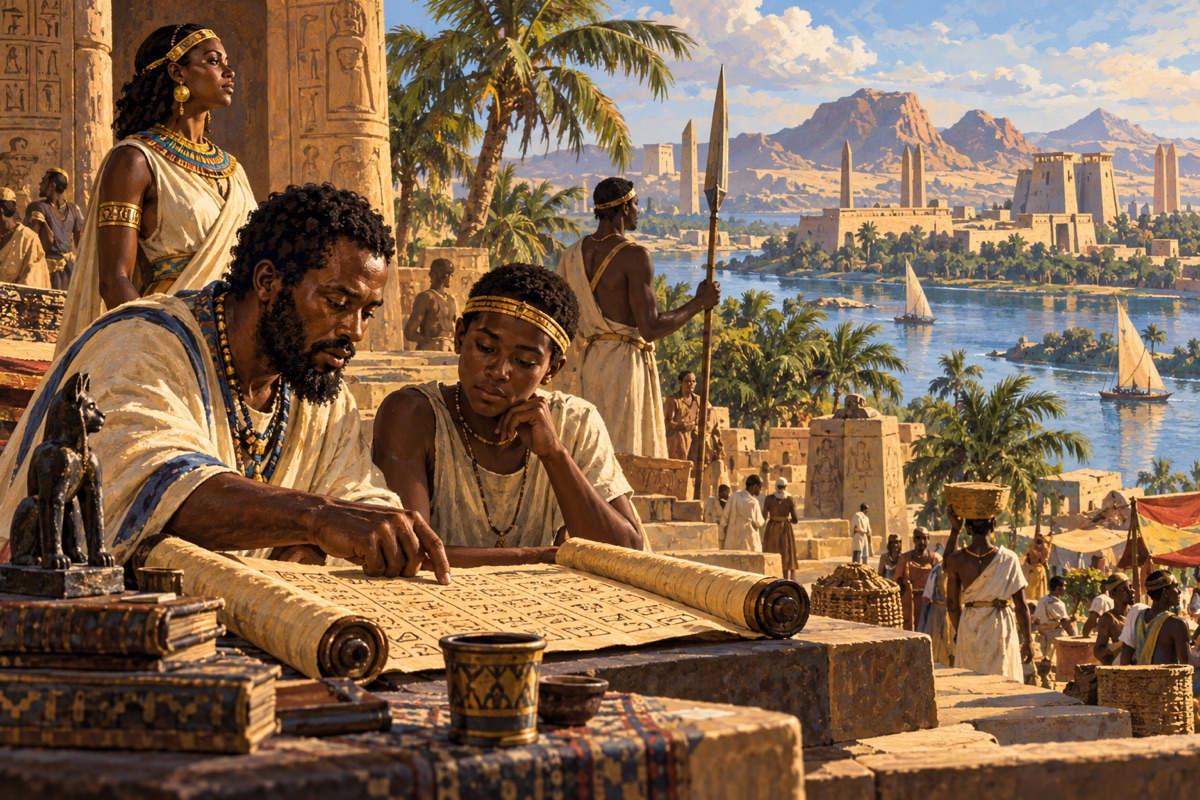
What Beyond 1619 sets out to explore
Dr Opare draws on early historical texts, Biblical records and cultural traditions to examine possible connections between ancient Hebrews, the Jewish diaspora and African peoples. What comes into view when the timeline begins long before enslavement? The episode invites viewers to explore identities and journeys that are often left outside that familiar starting point.
The Zondervan dictionary entry on Ham
The Zondervan Compact Bible Dictionary, edited by T. Alton Bryant, has something interesting to say about Ham:
“He became the progenitor of the dark races; not the Negroes, but the Egyptians, Ethiopians, Libyans and Canaanites.”
In simple terms, this entry says that Black people, described using the older word “Negroes”, are not descendants of Ham. That raises a question: where did the familiar claim about Ham and Black ancestry come from?
What else might older books reveal about African history and identity? Watch the episode as Dr Opare explores the connections and questions behind Beyond 1619.
Read the dictionary quote on Black History in the Bible.
Reading history, scripture and tradition together
The episode looks at old books, Bible passages and stories passed down through families. Each offers a way to explore where people came from, why they moved and how they understood their identity.
Dr Opare studies these accounts together. How do the stories in older books connect with the Bible? Do familiar traditions raise new questions about the past? Watch how he follows those connections.
Questions to take into the video
Which names and places connect these histories? How were different peoples described, and what might those descriptions reveal about the way identity has been understood? Keep these questions in mind as Dr Opare follows the historical trail. A single passage may lead you towards a subject you have never considered before.
Continue with Part 2
Watch the introduction above for Dr Opare’s African Hebrew Biblical perspective. Then continue with Beyond 1619 – Part 2, which turns to the episode’s account of exile from Spain and Portugal and deportations to West Africa and São Tomé. Together, the episodes ask readers to look further back—and to keep asking how the story can be understood more fully.