 JOPARE MEDIA
 A JOPARE Media channel
The Intelligence Report
Burkina Faso’s coup plot and AFRICOM’s new nominee: why Anderson’s background matters
Dr. Joseph Opare examines the reported failed coup attempt in Burkina Faso and the nomination of Dagvin Anderson, whose career includes aerial surveillance and special operations, to lead AFRICOM.
A coup plot and a change at AFRICOM
Burkina Faso’s announcement that it had stopped a coup attempt puts African sovereignty at the centre of this episode. Alongside that story, Dr. Joseph Opare examines Washington’s choice of Lieutenant General Dagvin Anderson to lead U.S. Africa Command, known as AFRICOM.
Published on 12 June 2025, the discussion asks what these developments mean for countries seeking greater control over their security. Anderson’s experience draws particular attention: his career includes flying surveillance aircraft and commanding special operations in Africa.
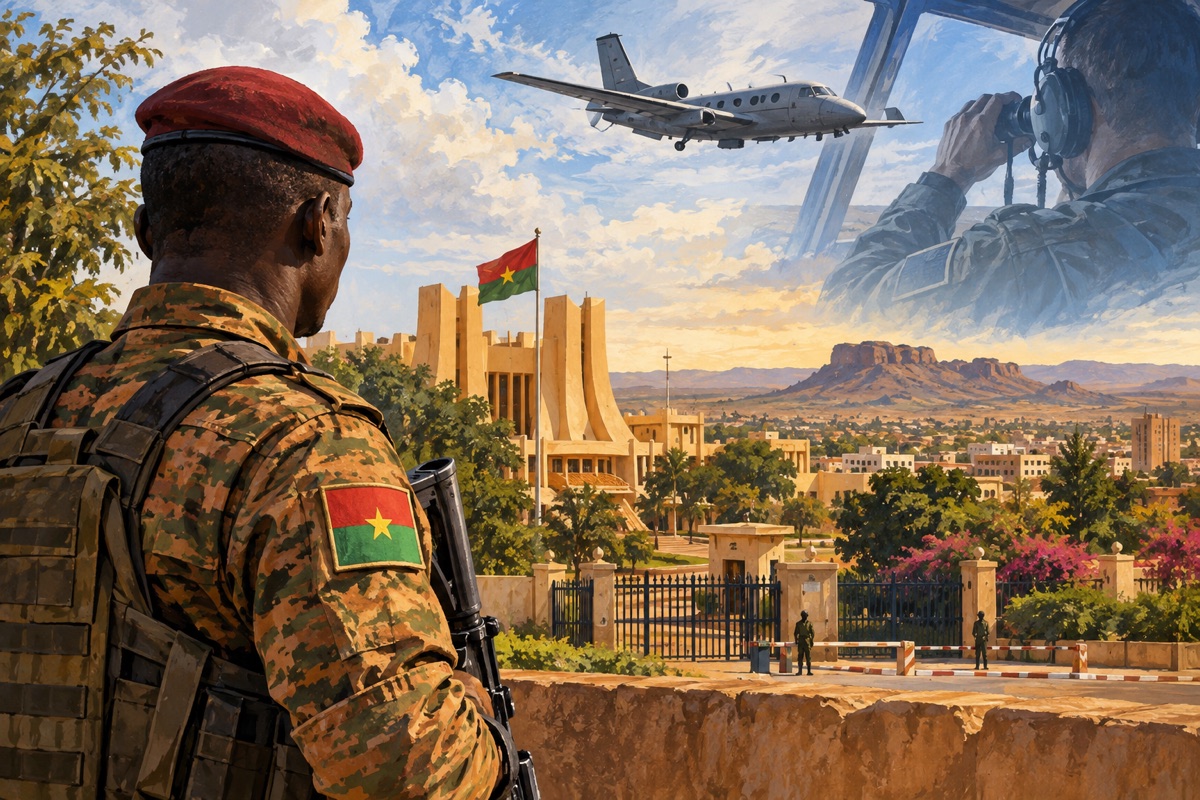
What did Burkina Faso’s authorities report?
On 21 April 2025, Security Minister Mahamadou Sana announced that the authorities had foiled a plot against Captain Ibrahim Traoré’s government. Africanews reported that Sana described a planned assault on the presidential palace on 16 April, involving serving and former soldiers.
According to the minister, intercepted communications helped expose the plan. He also alleged that organisers were based in neighbouring Ivory Coast. These were the Burkinabè authorities’ account of the plot and its external connections.
For Opare, the attempted overthrow raises a wider question about the pressure facing African leaders who challenge established relationships with foreign powers. The episode examines that question through Burkina Faso’s experience and the debate about Western military influence across the Sahel.
Who is General Dagvin Anderson?
The Pentagon announced Anderson’s nomination on 4 June 2025. At the time of this episode, he was awaiting Senate confirmation to succeed General Michael Langley. If confirmed, he would become the first Air Force officer to lead AFRICOM.
Contemporary reporting on his career records that he led U.S. Special Operations Command Africa from 2019 to 2021. His flying experience includes KC-135 tankers, MC-130E special-operations transport aircraft and U-28A reconnaissance planes.
That last role is especially relevant to the episode. Reconnaissance means gathering information about an area, activity or potential threat. Anderson’s background therefore brings experience of watching events from the air alongside experience of directing operations on the ground.
Why does aerial surveillance matter?
Opare focuses on what this kind of expertise could mean for AFRICOM’s direction. Military influence is not only about the number of troops stationed in a country. It also involves access to airspace, information about movements on the ground and the ability to support operations using that information.
Who authorises those missions? Who receives the information they collect? And how much control does the host country have over how it is used? These questions make surveillance part of the sovereignty debate, rather than a technical detail in a commander’s biography.
The nomination also came after the United States lost its military presence in Niger. AFRICOM announced the completion of that withdrawal in September 2024. Access to territory and airspace was already a central issue for American operations in the region.
Who sets Africa’s security priorities?
The episode brings the Burkina Faso coup account and Anderson’s nomination into a discussion about power, security and independence. For African countries, the question is whether military partnerships serve priorities they choose themselves—and whether they can change those arrangements when their interests change.
Watch Opare’s analysis for a closer look at the failed coup attempt, Anderson’s credentials and the questions his selection raises about the next phase of AFRICOM’s role on the continent.