 JOPARE MEDIA
 A JOPARE Media channel
The Intelligence Report
Tulsi Gabbard’s nuclear warning: why miscalculation matters
A warning about nuclear conflict brings the risks of escalation and the need for diplomacy back into public debate.
A danger people cannot afford to ignore
Nuclear weapons are often discussed as something that prevents war. The idea is that the threat of an overwhelming response stops an opponent from attacking. But that argument leaves a difficult question: what happens when leaders misjudge each other’s intentions?
Tulsi Gabbard’s warning about nuclear danger puts that question before a wider audience. The Intelligence Report explores the warning alongside the tensions of 2025 and the choices that could increase or reduce the risk.
Why the warning drew attention
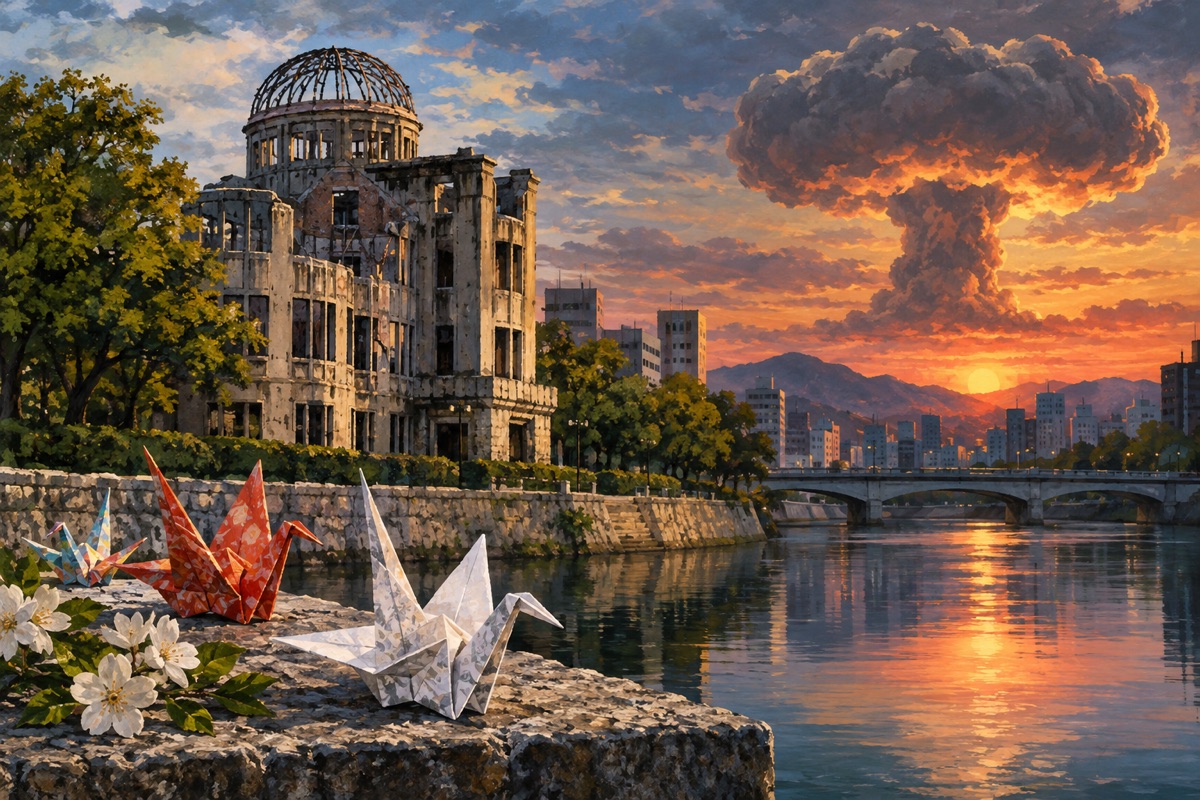
Gabbard raised nuclear-war concerns after visiting Hiroshima, while serving as US director of national intelligence. Contemporary coverage of her message connected it with the destruction caused by the atomic bombing and her appeal against a path towards nuclear catastrophe.
Her warning invites attention to consequences that can disappear behind military language. A nuclear exchange would be a human disaster, with effects extending far beyond the leaders who made the decisions.
The episode asks whether governments are doing enough to prevent that possibility. It treats the danger as a reason to examine policy and escalation, rather than leave security debates entirely to officials.
What miscalculation means
Miscalculation can be as simple—and as serious—as believing that an opponent will not respond. A leader may regard an action as a warning while another sees it as preparation for a larger attack.
Under pressure, decisions can be made with incomplete information. An unclear signal, a mistaken assumption or fear of waiting too long can reduce the time available to step back. That is why channels of communication matter even between hostile governments.
Deterrence depends partly on expectations about how others will behave. Diplomacy gives governments another way to explain intentions, limit confrontation and avoid leaving military action as the only visible option.
Why the discussion reaches beyond nuclear powers
Countries without nuclear weapons still have a stake in preventing escalation. International instability can disrupt trade, energy supplies and long-term planning. Communities far from a military confrontation can face economic consequences while having little influence over its direction.
For Africa, the issue is also whose security concerns are heard. Major-power decisions affect countries that are rarely at the centre of negotiations about military risk.
Dr. Joseph Opare considers the historical background to nuclear deterrence and the need for diplomacy in a more tense international climate. The central question is what leaders are doing to prevent a confrontation from moving beyond anyone’s control.