 JOPARE MEDIA
 A JOPARE Media channel
The Intelligence Report
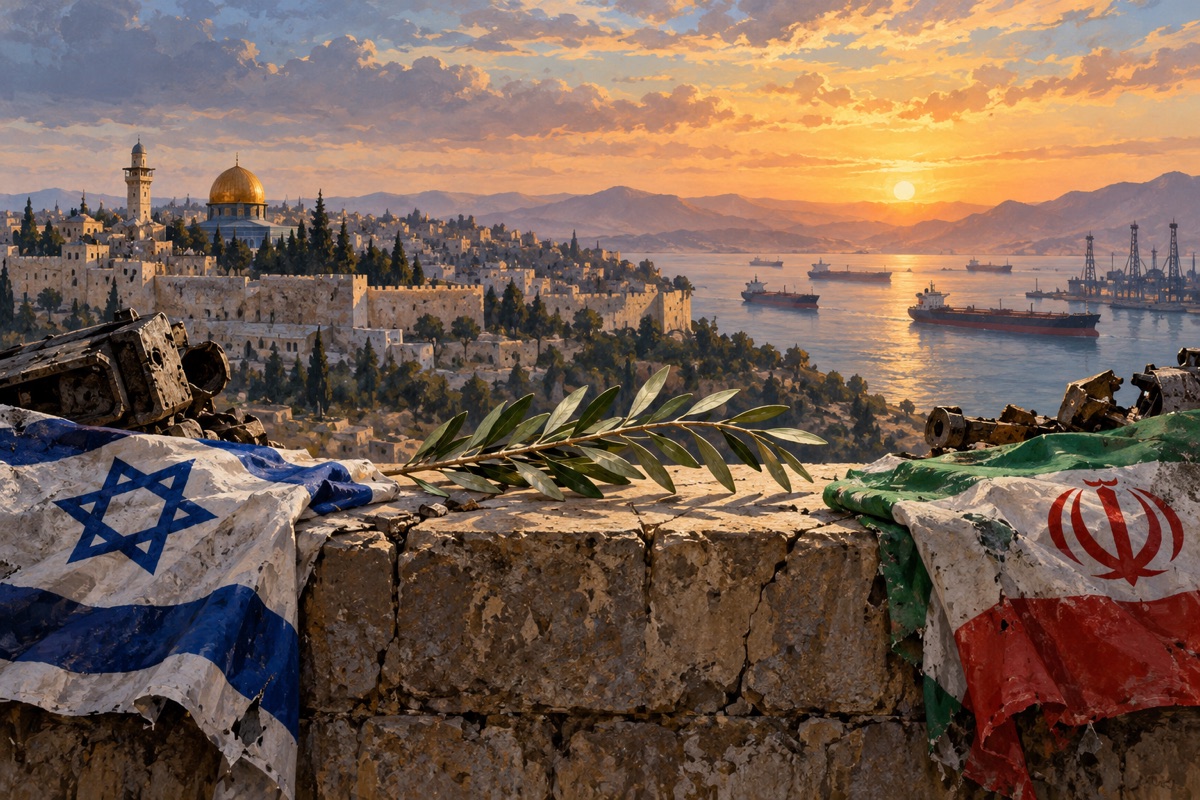
Israel–Iran ceasefire: what would make it last?
The 2025 ceasefire offers a pause in fighting. Its survival depends on whether the forces that produced the confrontation can also be restrained.
A pause with difficult questions behind it
A ceasefire brings immediate relief to people living under attack. It can give diplomacy space and reduce the pressure for another round of retaliation. But stopping the shooting and settling the conflict are different tasks.
The Israel–Iran ceasefire in 2025 leaves a central question: do both sides see more to gain from holding their fire than from returning to battle? The Intelligence Report looks at that calculation, the role of the United States and the risks beyond the region.
What diplomacy has to hold together
The agreement arrives after direct military confrontation. Each government has its own security priorities and its own audience at home. A leader who presents a ceasefire as success still has to decide how to respond to a new incident or an accusation of an attack.
Reuters reported on 24 June 2025 that Trump accused both Israel and Iran of violations within hours of announcing the ceasefire. That early dispute shows how quickly a halt can come under strain.
For diplomacy to last, leaders need ways to handle incidents before they become reasons to restart the war. Clear communication matters because a disputed event can produce military action faster than diplomats can establish what happened.
The economic stakes reach Africa
The report connects the security question with oil, trade and inflation. When a conflict threatens energy supplies or shipping routes, importers face uncertainty over costs and delivery. Businesses can delay decisions while households worry about prices.
For an African economy that imports fuel, that uncertainty can reach transport, food distribution and production costs. An oil-exporting country faces a different mix of interests, including what buyers will pay and whether wider disruption harms trade.
These links explain why the ceasefire matters beyond the governments directly involved. Countries with little control over the confrontation can still carry part of its economic cost.
What to watch next
The strongest signs of progress would be a sustained halt in attacks, working diplomatic channels and fewer threats that make renewed fighting appear unavoidable. The danger is a cycle in which each side describes its next strike as a necessary response.
At this stage, the question is whether the pause can become something more durable. Dr. Joseph Opare explores the strategic interests behind the agreement and why the decisions made after its announcement may matter as much as the announcement itself.