 JOPARE MEDIA
 A JOPARE Media channel
The Intelligence Report
Trump’s Israel–Iran ceasefire faces its first test
Accusations and threatened retaliation put the new ceasefire under pressure almost as soon as it is announced.
The first hours matter
A ceasefire is most exposed when military forces are still on alert and leaders are deciding whether the other side can be trusted. A missile warning, a disputed launch or an order issued before the deadline can quickly become the next crisis.
The Intelligence Report examines that fragile moment in the 2025 Israel–Iran confrontation. Trump is presenting diplomacy as a breakthrough, but the announcement now has to survive events on the ground.
A dispute can restart the cycle
On 24 June, Axios reported that Trump pressed Israel to scale back a planned retaliatory strike after Israel accused Iran of violating the ceasefire. The report, citing Israeli and US officials, illustrates the pressure Washington was applying to keep the agreement alive.
The wider danger is a chain reaction. One side claims a violation, the other disputes responsibility, and a threatened response becomes another attack. The political desire to appear strong can make backing away harder, even when leaders have reasons to avoid more fighting.
This is where diplomacy has practical work to do. It needs to interrupt retaliation, clarify messages and give the parties a route away from the next exchange.
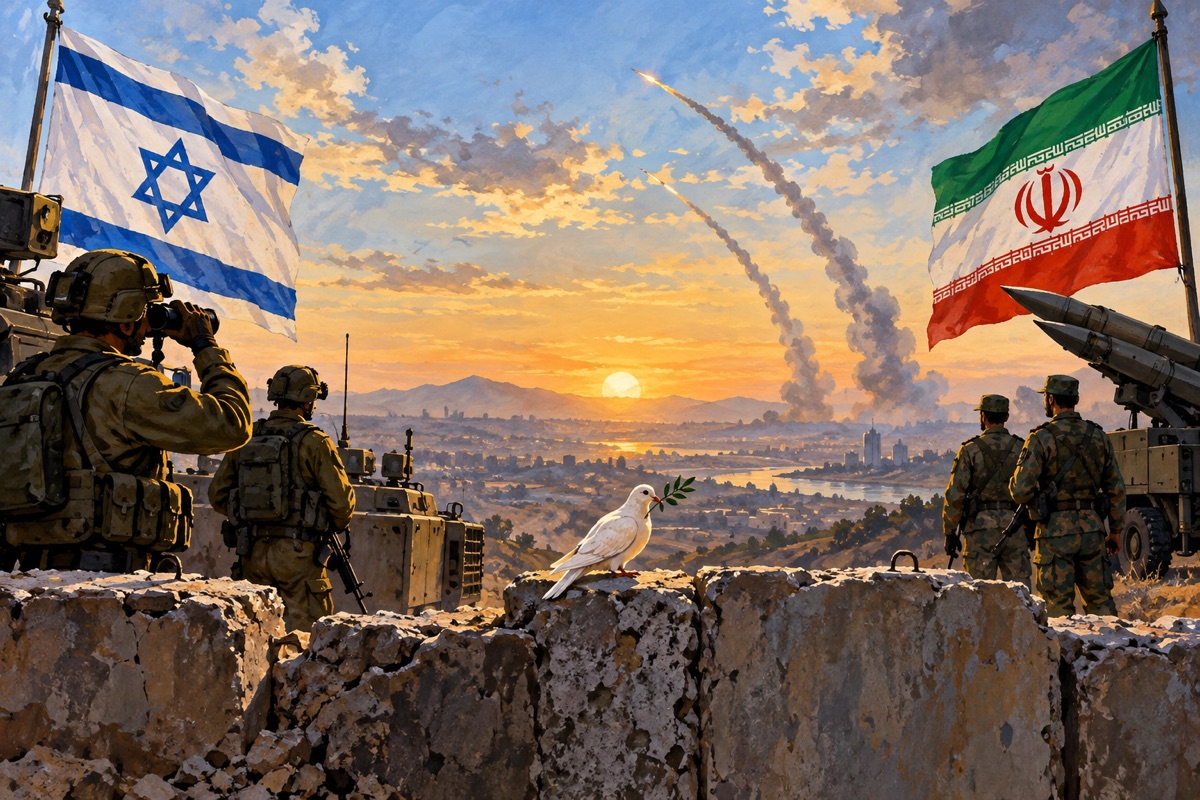
Military goals do not disappear overnight
The ceasefire leaves strategic questions over security, military capability and regional influence. An agreement to stop attacks does not erase the calculations that led to them.
Dr. Joseph Opare explores whether the pause reflects a lasting change in those calculations or a temporary need to reduce immediate pressure. The answer will shape how leaders respond when the next difficult incident occurs.
US influence is another part of the test. Washington can apply pressure, but keeping the agreement alive requires decisions by the governments and military commanders involved. Public statements need to be followed by restraint in practice.
Why another escalation would travel
Renewed fighting could unsettle energy markets and trade routes. For businesses far from the conflict, the issue is whether supplies will arrive and what they will cost. For households, those costs can appear in fuel, transport and everyday purchases.
That makes the early ceasefire period important for African countries as well as the Middle East. Another exchange could quickly reverse the sense of relief that followed the announcement.
The report asks what could trigger that reversal and what diplomacy would need to prevent it. At the time of this discussion, the ceasefire’s future remains a live question, with its first serious tests already underway.