 JOPARE MEDIA
 A JOPARE Media channel
The Intelligence Report
Accra’s floods expose the gap between planning and protection
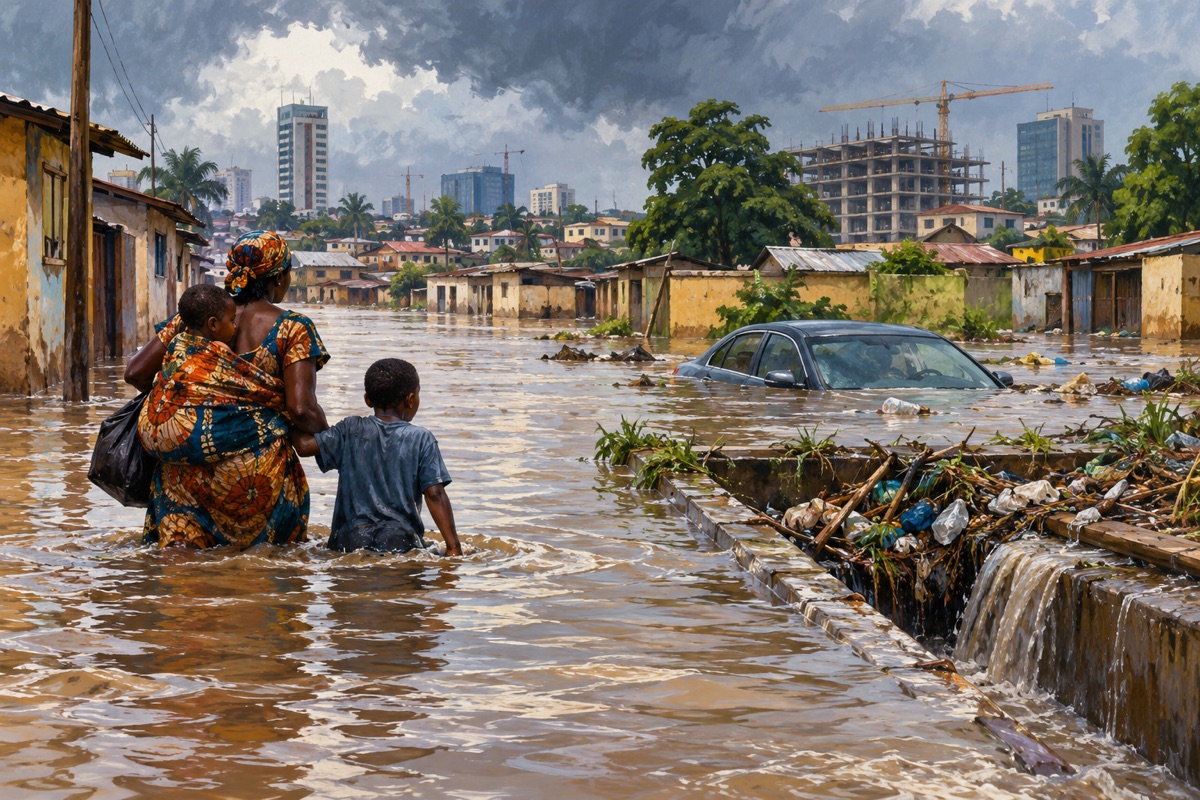
Accra’s repeated floods raise a question beyond rainfall: why do homes and businesses remain exposed after years of drainage and flood-prevention commitments?
Repeated floods, repeated promises
The episode follows another devastating flood in Accra. Its description reports at least twelve deaths, displaced households and widespread disruption. The question is why families continue to face these losses after repeated promises of better protection.
The report looks back to 2015 and later floods while examining drainage, waste, wetlands and construction on floodplains. The history matters because each new emergency arrives against a background of commitments already made.
Announcing work is not the same as completing it
The important public question is what has been delivered, where and with what effect. A budget announcement does not tell a resident whether a nearby drain is working or whether the next storm will enter their home.
Drainage also depends on the land around it. A floodplain is land that can fill with water when rivers overflow. Blocking a waterway or building where water needs to pass can shift the danger onto neighbouring properties. Prevention therefore involves planning and enforcement as well as construction.
Who bears the cost of a bad approval?
Removing buildings from waterways raises another issue: how did construction get that far? Where approvals were issued, an accountability review should follow the decisions as well as examine the property. Families should be able to understand why a building was permitted and why its status later changed.
That matters to diaspora households financing homes for relatives or planning a return. The consequences of a failed development decision can reach savings built over many years abroad.
The test is reduced risk
Our analysis is that flood policy should be judged by visible protection and clear responsibility. Maintenance, waste removal, completed drainage and planning decisions belong in the same assessment. Treating every flood as an isolated emergency makes it harder to see which promises remain unfinished.
The accompanying video also asks whether affected homeowners should receive compensation and what role flood insurance can play. It connects Accra’s experience with flooding in Lagos and Lomé, widening the question to how West African cities plan for water and protect residents.